As an Amazon Associate I earn from qualifying purchases. This post contains affiliate links. If you buy through them we may earn a commission at no extra cost to you.
Product prices and availability are accurate as of the date and time indicated and are subject to change. Any price and availability information displayed on Amazon at the time of purchase will apply to the purchase of this product. Certain content that appears on this site comes from Amazon. This content is provided "as is" and is subject to change or removal at any time.
Ethanol gets blamed for every outboard problem without an obvious cause, which isn’t quite fair. E10 burns fine in most modern small motors. What it doesn’t do is sit quietly in a tank for six months.
Work out the oil for any amount of petrol with the free 2-stroke fuel mix calculator, and print the whole ratio for the shed wall.
So here’s what ethanol really does in there, what phase separation is and why no bottle undoes it, and the handful of habits that have kept my motor out of the carb-cleaning cycle. Call it the fuel half of the maintenance schedule I keep.
What ethanol actually does in a fuel tank
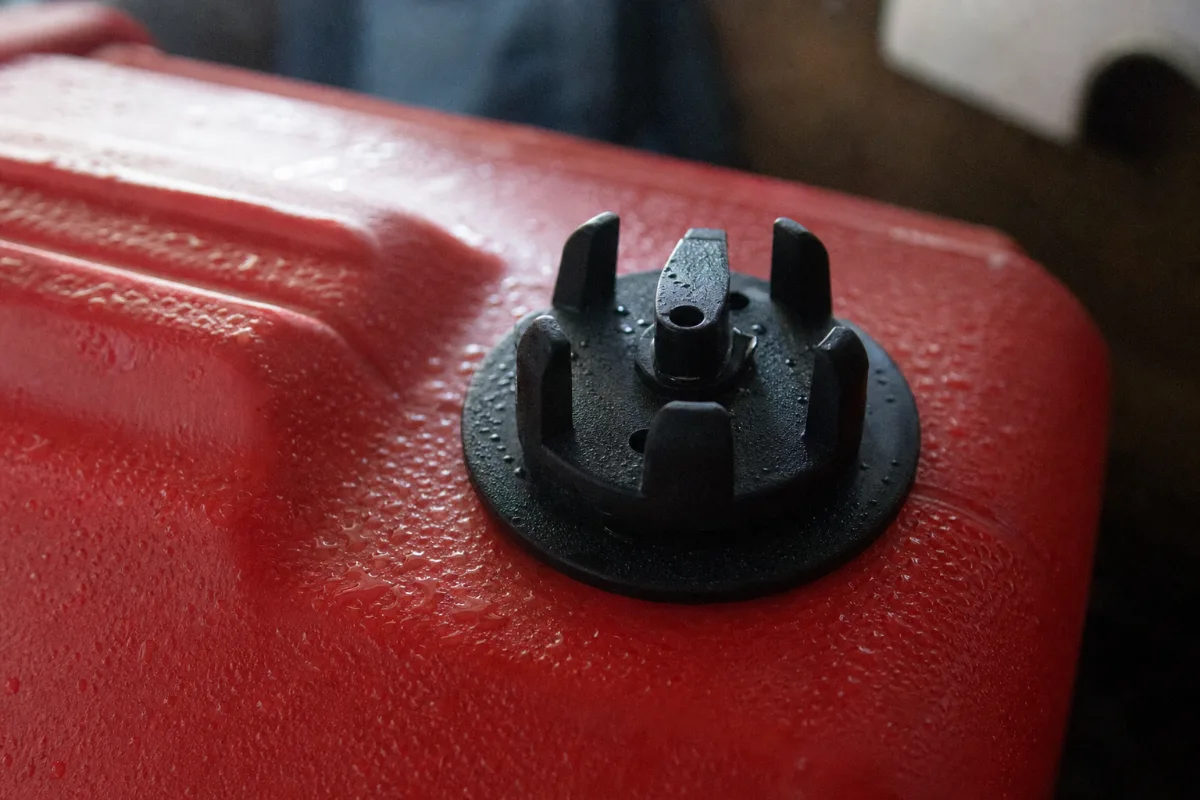
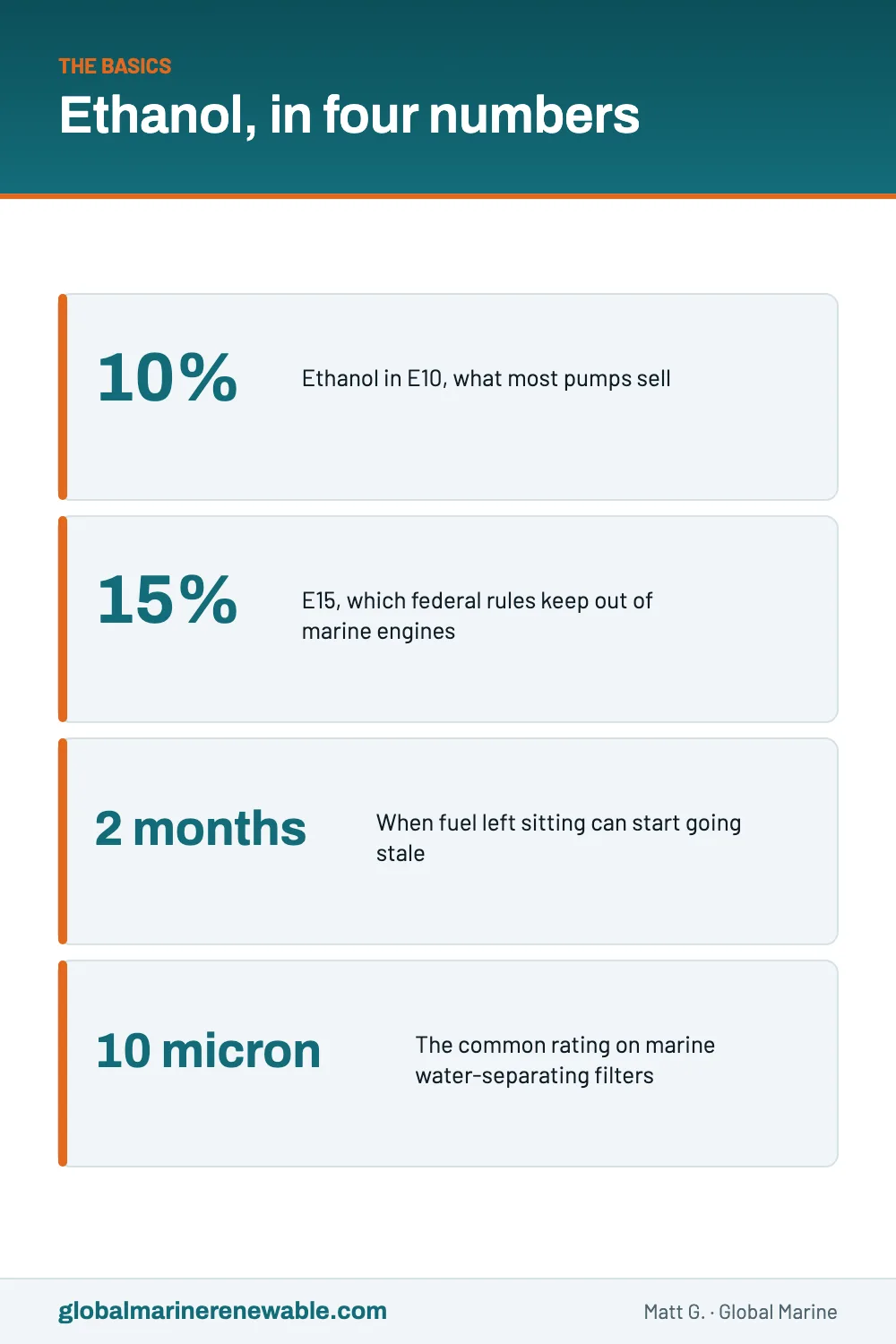
E10 is gasoline with up to 10% ethanol in it, and that’s what most pumps sell. Ethanol is hygroscopic, which is a long word for “it pulls water out of humid air”. A vented fuel tank breathes as it warms up and cools down, so damp air moves in and out all season.
In small amounts that’s usually harmless. A little dissolved water goes through the engine with the fuel and burns off with it, which is why E10 in a tank you empty every couple of weeks rarely causes anyone trouble.
The trouble starts when fuel sits. Gas can start going stale in a couple of months, the ethanol keeps collecting moisture the whole time, and eventually the mix can’t hold any more water.
Water gets in two ways, and they matter differently. Condensation is the slow one, a little at a time, every warm day and cool night. The fast one is water that was already in the fuel when you bought it, usually from a station tank that sat low after heavy rain. I’ve had one bad can in 20 years, honestly, and it was obvious within a minute of running.
Phase separation, and why no bottle undoes it
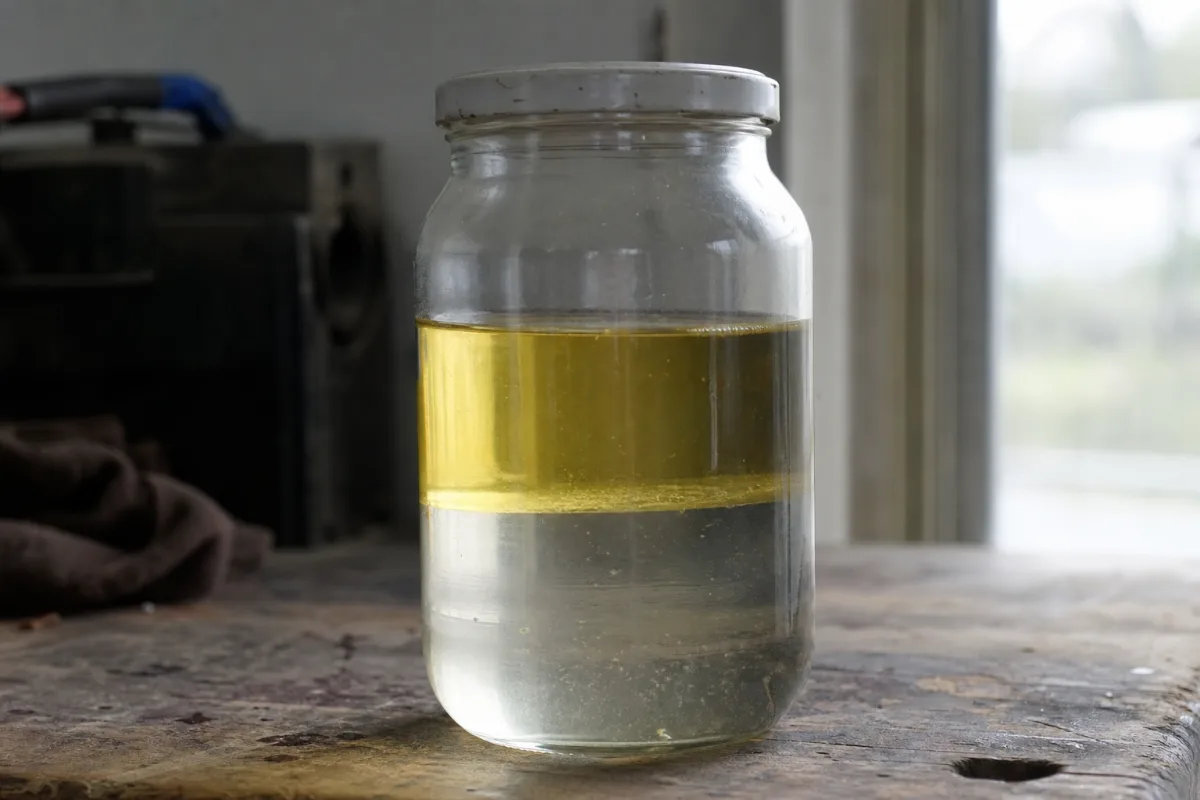
Once the water goes past what the blend can carry, the ethanol and water drop out together and settle at the bottom of the tank. That’s phase separation. You get two layers: gasoline on top with less octane than it started with, and a water-and-ethanol layer underneath.
The bottom layer is the problem, because the fuel pickup usually sits near the bottom of the tank. A motor fed that mixture runs badly or not at all, and the layer is corrosive to what it sits against.
No stabilizer reverses separation. Some additives slow the water pickup down, and some claim to hold small amounts of water in suspension, but once fuel has separated the only honest answer is to get it out of the tank and dispose of it properly. My county does a hazardous waste day, it’s free, and the whole errand takes about 20 minutes.
You can see separation if you look. Draw a sample into a clear glass jar, let it stand a few minutes, and look for a line across the middle. Clean fuel is one colour all the way down.
What you should not do is try to burn through it. Running a motor on the bottom layer is how a nice afternoon on the water turns into a tow, and it can leave you cleaning a carb anyway. Siphon the tank, take it to the waste day, and start fresh. And no, don’t pour it down the drain or onto the driveway, which I hope goes without saying but apparently doesn’t.
E15 is not for boats
E15 is gasoline with up to 15% ethanol, sold at some stations, often as an 88-octane grade. Federal rules prohibit using it in marine engines, and pumps that dispense it carry a label saying so.
The rules aside, more ethanol means more water pickup, and boats live in damp air. If the cheap pump at a station is E15, I go to a different station. Saving a few cents on a 6-gallon tank is not the win it looks like.
Ethanol-free gas, sold in some places as recreational fuel, is worth knowing about if a station near you carries it. It costs more per gallon and it keeps better, so that’s what goes in the tank that sits over winter.

Older boats: fuel lines, tanks and carbs
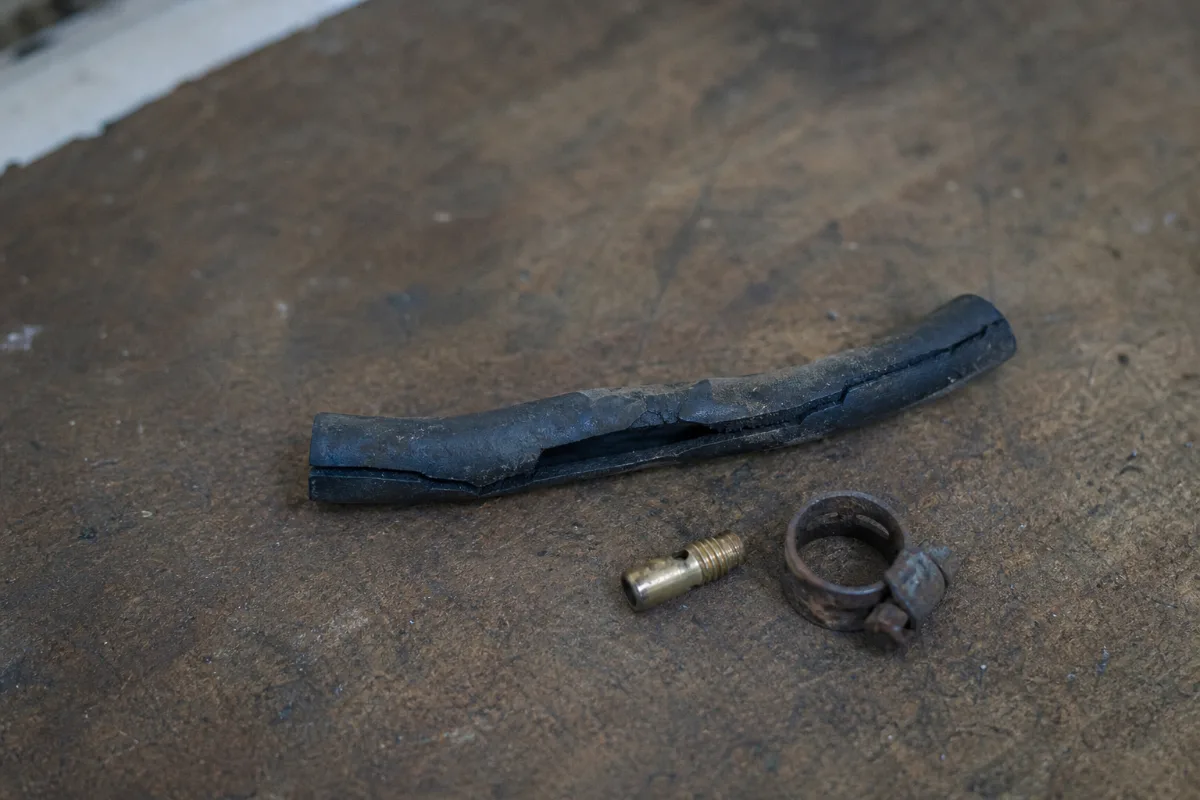
If your boat and motor date from before ethanol blends were everywhere, this section matters more. Ethanol is a solvent. Older rubber fuel lines and some older gaskets weren’t built for it, so they go soft, leak, or shed little bits that end up in the carb.
Old fiberglass fuel tanks are the serious case. Ethanol can attack the resin in some older tanks, and dissolved resin travels straight into the engine. If your boat has a built-in fiberglass tank of that vintage, talk to a marine mechanic before filling it with E10.
Ethanol also cleans, which sounds great right up until it loosens years of varnish inside an old tank and delivers all of it to your fuel filter. When an old motor moves onto modern fuel, keep a spare filter aboard for the first few trips. Mine clogged twice in one summer after I bought a boat that had sat, and honestly I should have seen it coming.
How I buy and store fuel now
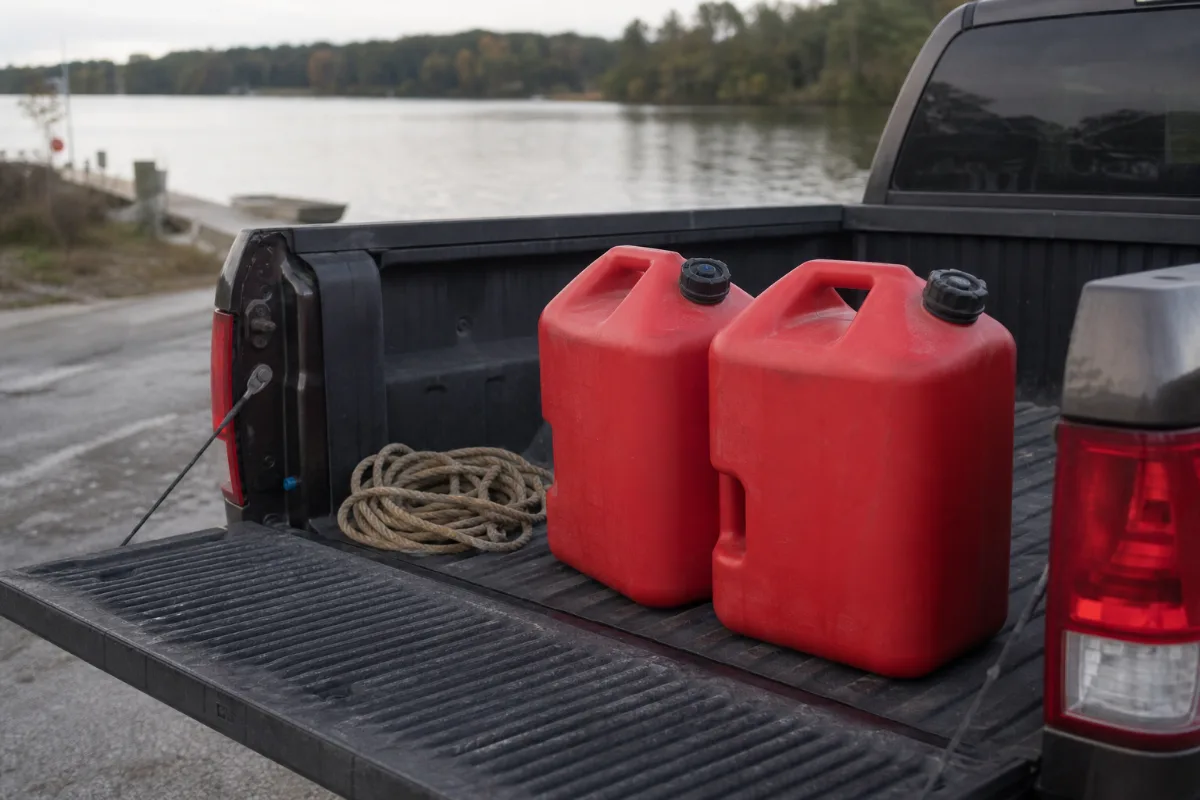
- Buy from a station that sells a lot of fuel, so what comes out of the hose is fresh
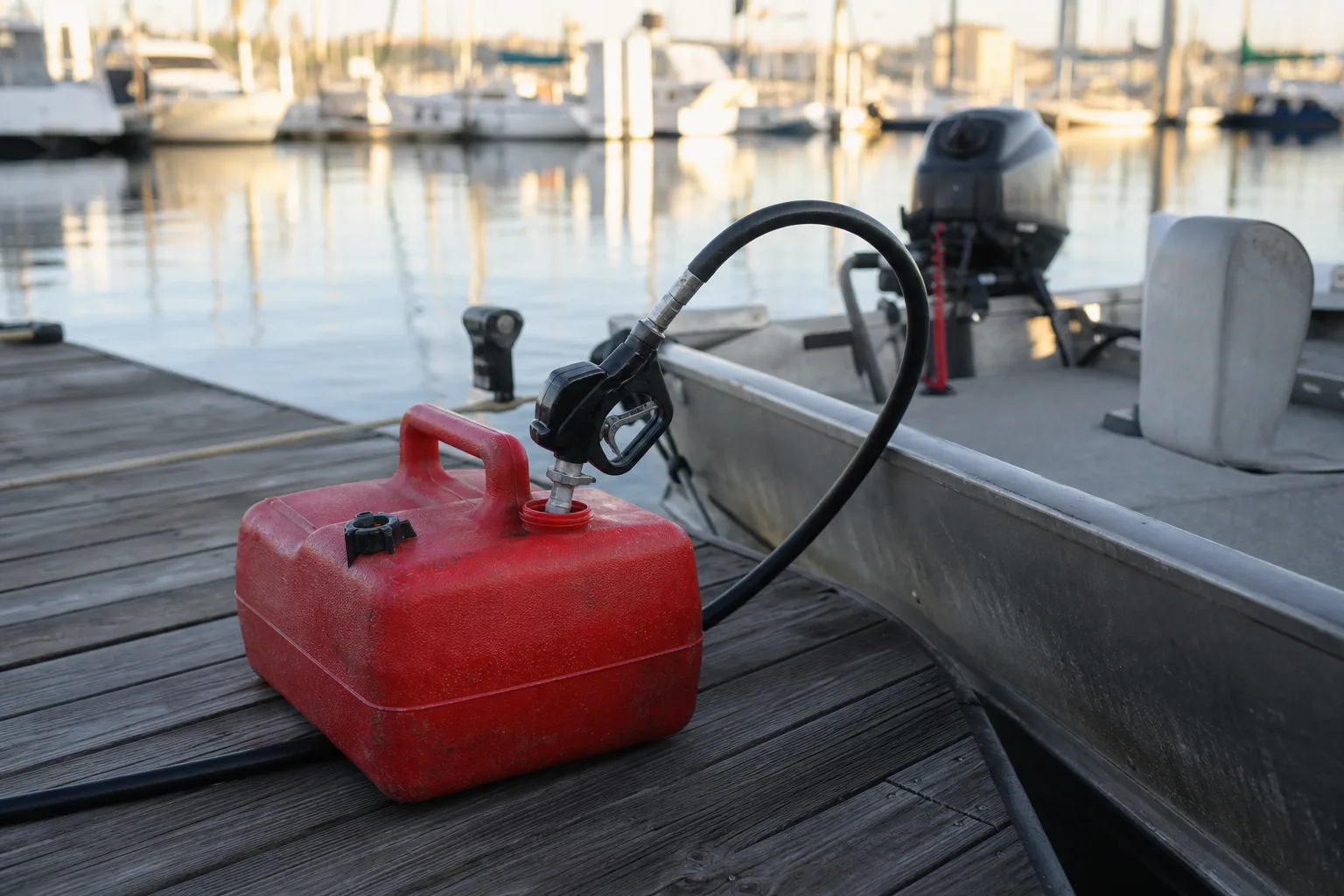
- Buy what I’ll burn in a month, not what fits in the can
- Treat anything that will sit longer than that, then run the motor so treated fuel gets through the whole system
- Keep the portable tank out of the sun, since temperature swings are what make a tank breathe damp air
- Write the date on the can with a marker, since guessing is how fuel gets old
- Before a long layup, go through the whole winterizing order
None of that is clever. It’s mostly about not buying 6 gallons for a 2-gallon weekend, which I did for years without thinking about it.
Water-separating filters earn their keep
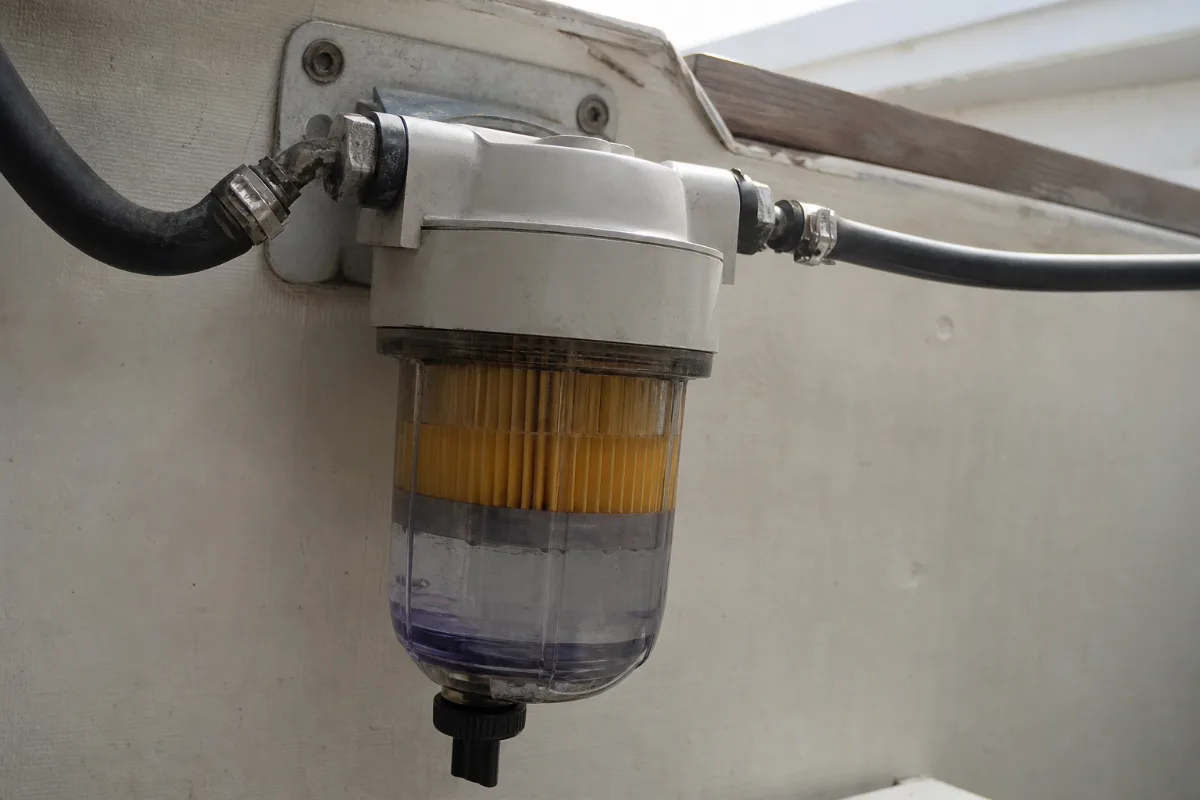
A water-separating fuel filter sits between the tank and the motor. It catches water and grit before either reaches the carb, and with a clear bowl you can see what it caught.
These are cheap insurance and easy to fit on a small boat. The common rating on marine ones is 10 micron. Mount it somewhere you can actually reach, because a filter you have to unbolt a seat to inspect is a filter you’ll never inspect.
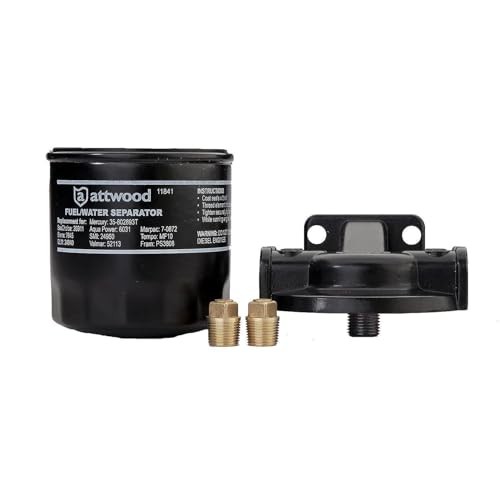
- Universal Compatibility – Universal 3/8" NPT ports work with all 2-cycle and 4-cycle marine engines, including outboards and inboards
- Complete Kit – Includes 10-micron filter, corrosion-resistant mounting bracket, and brass plugs for easy installation
- Superior Filtration – Removes water and fine particles to protect your engine and improve fuel efficiency
$20.41 In Stock
Paid link · price checked October 16, 2026 15:04
Check the bowl at the start of a season, and again after you’ve run through fuel that sat a while. Water shows up as a clear layer under the fuel, and dark sludge means the motor has been eating something it didn’t enjoy.
One thing people forget after changing a filter: the system is full of air now, so pump the primer bulb until it goes firm before you crank. And check for weeping around the fittings with the bulb pressurised, because a fuel leak on a boat is a whole different category of problem than a rough idle.
Signs your fuel is the problem
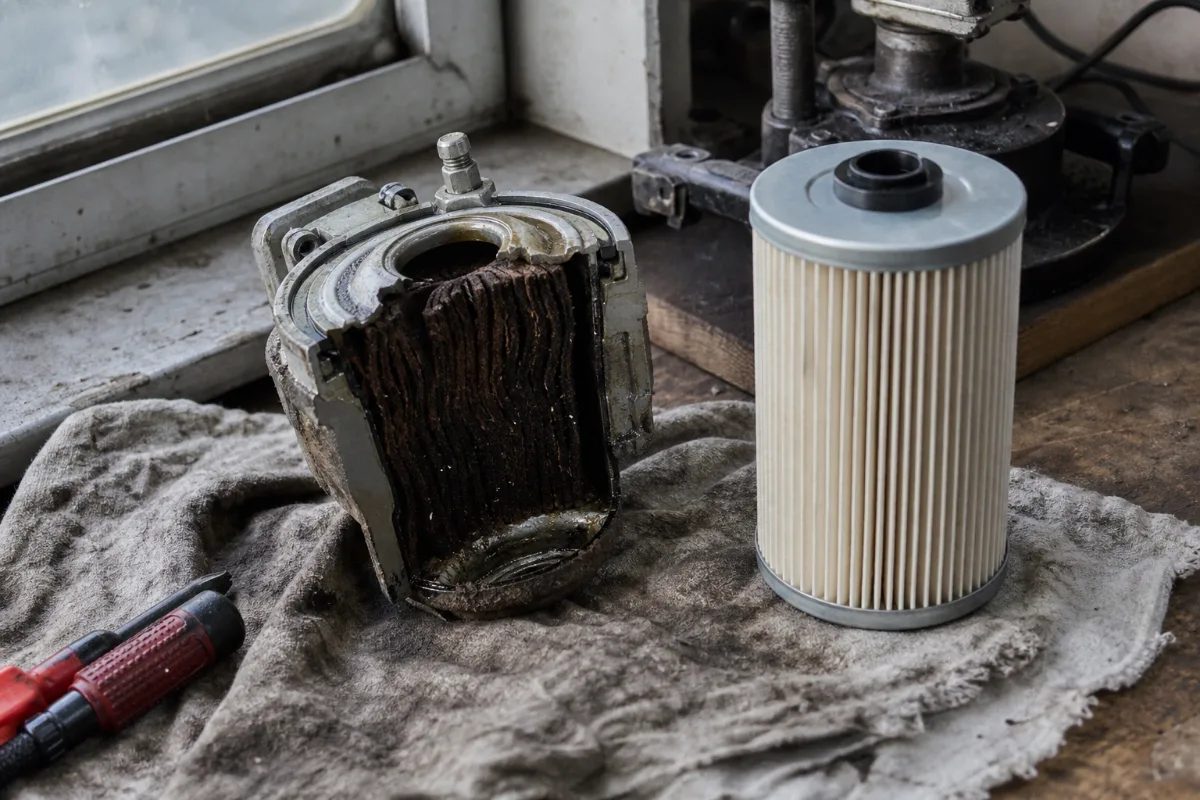
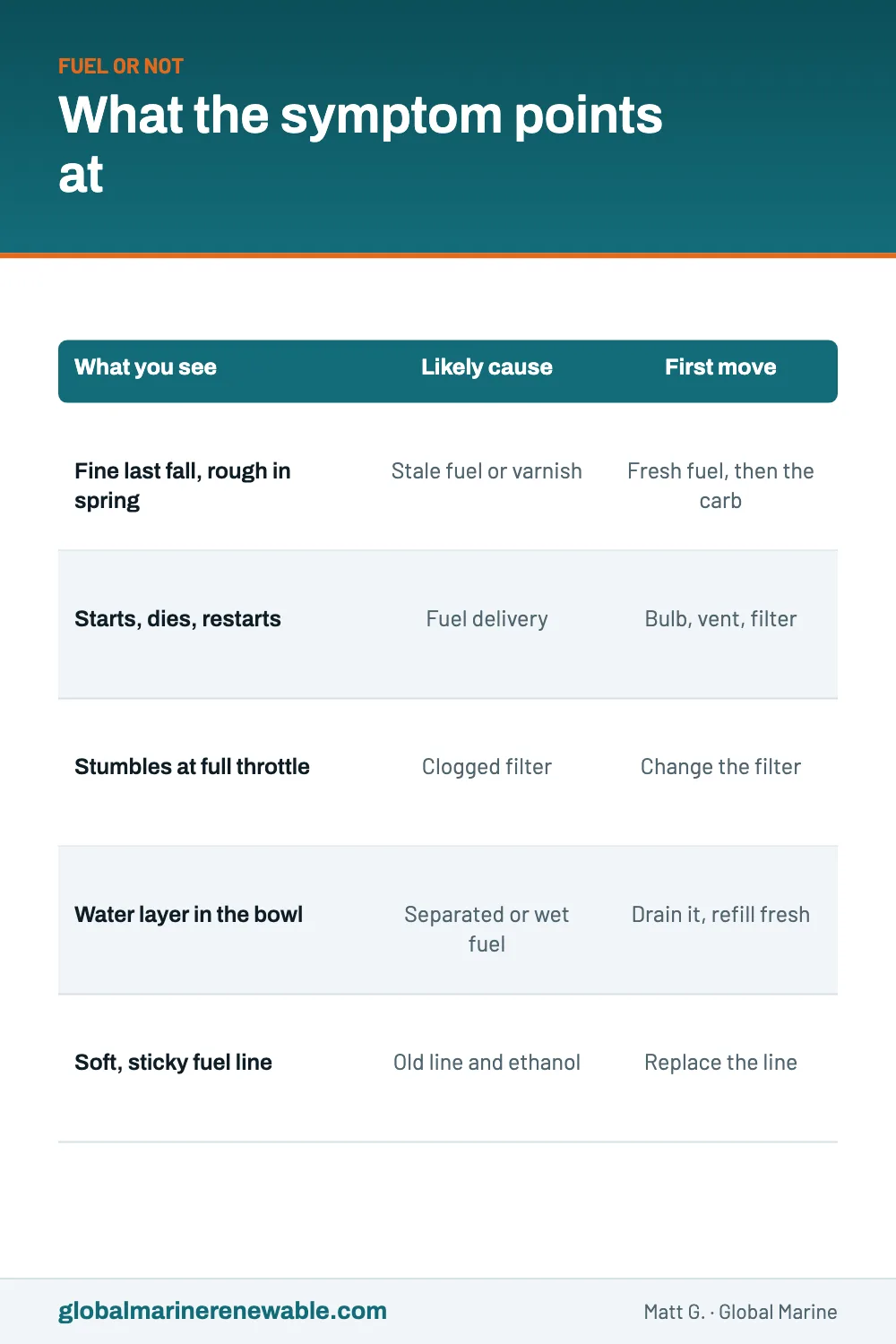
- The motor ran fine last fall and won’t idle this spring
- It starts, runs a minute, dies, then restarts after a few pumps of the bulb
- It pulls fine at part throttle and stumbles when you open it up
- There’s a water layer in a fuel sample, or in the filter bowl
With any of those, put fresh fuel in before you buy a single part. Fresh gas is the cheapest test on the boat, and it has saved me more Saturdays at the ramp than any tool I own.
If it’s already gummed up, the job waiting for you is cleaning a gummed-up carb, and that’s its own afternoon. Ask me how I know, or just read the no-start checks and save yourself the trouble.
The season I ignored all of this, I left half a tank in the boat over winter, spent a Saturday in April on the carb, and then did it again in May because the same bad fuel was still in the tank. That one cost me a season of confidence in a motor that was honestly fine. Fuel is the cheap end of this hobby. Treat it like the expensive end and the motor mostly leaves you alone.