Bass don’t quit when the water drops under 50°F. They slow down, slide deeper and stop chasing, so you fish slower, deeper and later in the day. That’s most of winter bass fishing in one sentence. The rest is where to look and what to tie on.
I’m not a tournament angler. I’ve spent the better part of twenty years on lakes and slow rivers in small boats, and my winter days are mostly about being cold and patient at the same time. So for the parts that need a pro’s hours on the water, I’m leaning on what the pros told Bassmaster in its piece on winter largemouth in clear lakes. Where it’s my own experience, I’ll say so.
What Cold Water Does to a Bass
Jay Yelas, a Classic winner and former Angler of the Year, put a number on it for Bassmaster. In water under 50°F, a largemouth only has to eat about once every 14 days. That means it spends most of its time doing nothing at all.
Read that again before you blame your lure. A fish that eats twice a month isn’t going to run down a fast crankbait. Yelas says it straight: wintertime largemouth just aren’t going to chase a bait.
Slow. Then slower than that.

Chad Brauer added a detail I didn’t know until I read it. In winter, he said, the water column is basically the same temperature and oxygen from top to bottom. So in winter there’s nothing stopping bass and baitfish from going as deep as they like, and on a lot of lakes they do.
Where Bass Hold When the Water Gets Cold
Deep, mostly. Gary Klein told Bassmaster he rarely targets winter largemouth in less than 15 feet of water from December through early March on clear reservoirs, and he’s caught them from 40 to 80 feet. That’s clear water, though. Brauer, fishing Lake of the Ozarks, finds he can catch cold-water bass in 25 feet or less, because that’s where the baitfish are on his lake. On Table Rock, he said, bass can sit 60 to 90 feet down.
So the depth isn’t one number. Find the bait and you’ve found the depth.
Fifteen feet on one lake, 90 on another. Same fish, same month, different water.

The spots are more consistent than the depths. Penny Berryman follows the major creek channels and the main river, and she looks hard at the bends for cover like standing timber or laydowns. Kevin VanDam looks for where a main creek hits the main river, main river points, bluff ends and steep channel banks, basically anywhere two channels meet. Bluffs come up again and again. Stacey King, a Missouri pro, likes them all winter because rock soaks up the sun and gives off warmth, and because a bluff is full of boulders, ledges and chunk rock for a bass to sit beside. Berryman also points out that on deep, clear lakes, bass bunch up in schools in winter. Find one and there are usually more.
From my own boat, the one thing I’d add is honestly kinda boring. Pick one creek arm and fish it slowly instead of running the whole lake. My hands go numb after 20 minutes of running across the lake in December, and by the time I’ve crossed the lake I’ve burned the warm part of the day sitting behind the wheel.
The Warm Part of the Day Is the Bite
Here’s the part I like best, because it lets me sleep in. Brauer told Bassmaster there’s a shallow winter bite on clear lakes, but it’s not up in the backs of coves. Those fish can be 5 feet deep or less on a bluff bank, with your boat sitting in 40 feet of water.
When does it happen? After two or three sunny days in a row, he said, bass come up to the warmer surface water and sit on those rock ledges. That’s the day to throw a suspending jerkbait or pitch a jig onto the ledges, and some days it warms up enough for a crankbait or a slow-rolled spinnerbait.

So I watch the forecast more than the calendar. A cold front and a bluebird morning after it is a slow day. The third sunny afternoon in a row is the one I’ll take off work for. I’d rather be on the water at 1 in the afternoon than at 7 in the morning, when the ramp’s iced over and the fish haven’t moved an inch.
Slow Baits That Still Get Bit
“Slow is definitely the key anytime you’re in cold water with any kind of bait,” Yelas told Bassmaster. Every pro in that piece said some version of it. What changes is the bait.
VanDam’s number one tool for cold, clear water is a jigging spoon. It lets him cover water and find fish on a channel drop. Once he’s caught a few and the school breaks up, he switches to a drop shot with a little 4-inch straight-tail worm, sized to match the forage. Klein likes vertical tricks too, a spoon or a drop shot, because he can watch the fish come to the bait on his electronics.

Brauer’s standby is a jig. He crawls a brown 1/2-ounce jig with the skirt trimmed way back and a small chunk trailer along deep, rocky banks. His favorite spot for it is the end of a bluff: cast into the shallowest rocks and slowly drag the jig down into deep water with the reel.
When the bass won’t hit a jig, Yelas goes to a Carolina rig with a 12-pound fluorocarbon leader and a floating worm. And on those warm days, Brauer throws a 5 1/2-inch jerkbait that looks like the gizzard shad that die off in the coldest months on Missouri lakes. If you want a refresher on what each of those baits actually does, our guide to fishing lure types covers them one by one.
Light Line, and Learn to Read the Screen
VanDam uses 6- to 8-pound-test fluorocarbon whether he’s drop shotting or spooning. It’s low-stretch, hard to see and sensitive, and in winter a bite can feel like nothing more than a little extra weight.
Heavy line hides that.
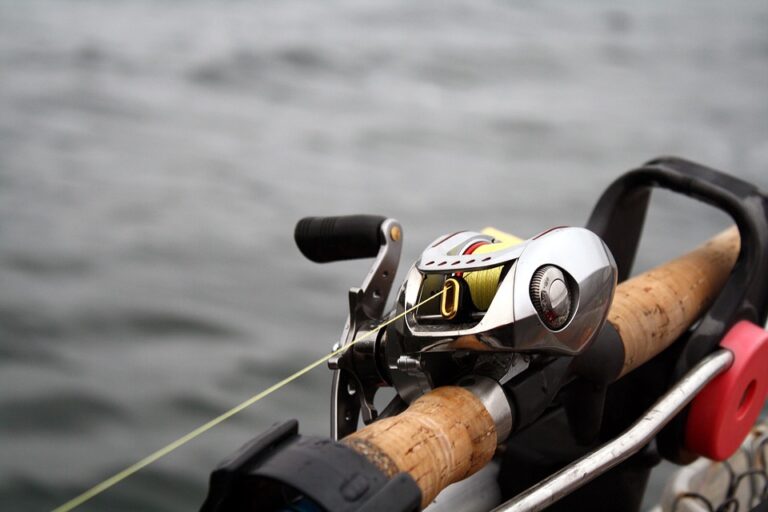
My own winter setup is pretty plain: a 7-foot medium spinning rod, 8-pound fluorocarbon and a handful of 1/2-ounce jigs and 4-inch worms in one small box. Two rods, max (one rigged for the jig, one for the drop shot), because every extra rod is one more thing to trip over in a cold, loaded boat with stiff fingers.
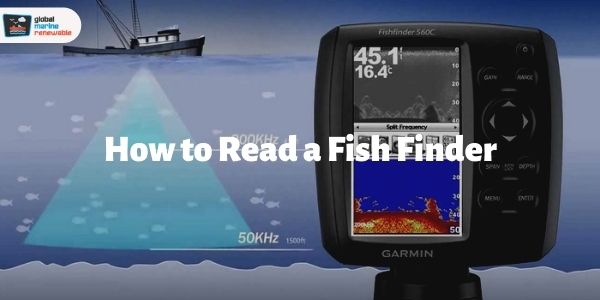
Klein’s warning stuck with me most. He said a lot of anglers think they’re deep-water anglers, but once fish get deeper than 20 or 25 feet they don’t have a feel for what’s below them, and it all begins with being able to read your electronics. If your graph is still a mystery, start with how a fish finder works before you spend a cold morning staring at it.
One small, practical thing. Wet line freezes in the guides on a really cold morning, and a rod full of ice casts like a broom handle. I dip the rod tip in the lake to melt it out and wait for the sun to do the rest.
Cold Water Is the Real Danger, Not the Slow Bite
This is the part I won’t joke about. The National Center for Cold Water Safety says that in very cold water you can lose the use of your hands in 60 seconds and the use of your arms in minutes.
That’s how people drown a few yards from a boat they could have climbed back into in July.
Its golden rules start with two that matter on every winter trip: wear your life jacket, and dress for the water temperature, not the air. Wear the PFD zipped. One stowed under the seat does nothing for you when you go over the transom while landing a fish.
I also keep a full change of dry clothes in a dry bag from November through March. It’s never made the news, which is the point.

You’ve probably heard the 1-10-1 rule: 1 minute to get your breathing under control, 10 minutes of useful movement, 1 hour before you pass out. The Center calls it a myth, and its reasoning convinced me. Your breathing during cold shock isn’t something you can control, and your strength doesn’t hold for ten minutes and then quit. It drains the whole time you’re in the water.
So fish with a buddy in winter, tell someone where you launched, and keep the boat loaded light enough that you’re not stepping over gear. I covered dressing for the water in more detail in our post on fall largemouth bass fishing from a kayak, and every word of it counts double once the lake gets this cold.
If I had one winter afternoon this week, I’d pick a sunny one after a couple of mild days, launch late, find a bluff end near a channel and crawl a jig down it. Then I’d sit on that one spot longer than feels reasonable. In winter, that’s usually the whole trick.
Sources: Bassmaster, “Catching winter largemouths in clear lakes” (Gary Klein, Penny Berryman, Kevin VanDam, Chad Brauer, Stacey King and Jay Yelas); National Center for Cold Water Safety, “Cold Water”, “Golden Rules” and “The 1-10-1 Myth”.