
Ice fishing for beginners comes down to three things: ice that’s thick enough, a small pile of gear, and a bait hanging a foot off the bottom. Get the first one wrong and the other two won’t matter, so we’ll start there.
Never done this before? Good, because the habits you pick up on your first trip are the ones you’ll keep. Check the ice every single time, even on a lake you fished last week.
You’ll get how thick the ice needs to be, how to check it yourself, the short gear list, how to drill a first hole and where to put your bait once you’ve got one.
How Thick the Ice Has to Be

You want at least 4 inches of new, clear ice before you walk out. Under 4 inches, stay off. A snowmobile or small ATV needs 5 to 7 inches, a side-by-side 7 to 8, and a small car or SUV 9 to 10.
Those numbers are for clear ice only.
White ice is the catch. It forms when snow melts on top of the sheet and refreezes, and it’s only about half as strong as clear ice, so you double every number above. Say your hole shows 5 inches of milky white ice. You’d want 8 inches of that just to walk on, and you haven’t got it.
Thickness doesn’t stay put, either. Ice can be two feet thick in one spot and an inch thick a few yards away. Currents, springs, inlets and narrow bottlenecks all thin it out. And don’t assume it’s fine because somebody else is out there. They might not know what they’re standing on.
Check It Yourself, Every Time

Nobody’s out there measuring your lake for you, so bring a tape measure and something that makes a hole. An ice chisel, also called a spud bar, is a heavy metal rod with a flat blade on the end, and you stab it into the ice ahead of you as you walk. It’s handy on early ice, when a decent reading in one spot doesn’t rule out stretches under 4 inches on the same lake.
Stabbing as you walk doesn’t replace drilling and measuring, though.
If you’ve got an auger, drill and measure as you go. I’d start near shore and stop often, because the thickness at the edge tells you nothing about the middle.
You don’t even need to own an auger for this. A cordless drill with a long 5/8-inch wood auger bit will go through 8 inches of ice in under 30 seconds. That’s the cheapest ice check going, and it fits in a backpack. Don’t go by how fast it cuts, either. A bit goes through so quickly that it’s easy to guess too high, so put the tape down the hole every time.
The Safety Gear Goes On Before You Leave Shore

Wear a foam life jacket or a flotation suit. Most people who go through the ice die from drowning, not from the cold, so this is the piece of gear that buys you the rest of the list. Skip the inflatable vest, because those aren’t recommended for cold water.
Hang a pair of ice picks around your neck where you can actually reach them (a coat pocket doesn’t count). If you go in, your body’s first move is to gasp, so get your breathing under control. After that you’ve got about 10 minutes of useful movement to climb out.
Keep your winter clothes on, odd as that sounds, because they trap air and help you float. Turn back toward the way you came, since that’s probably the strongest ice. Get your arms up on the edge, dig in the picks and kick your feet. Once you’re out, lie flat and roll away from the hole rather than standing up. Then get warm and dry right away, and get medical help if you’re badly chilled.
Toss a rope and a whistle in your bucket too. Tell someone where you’re going and when you’ll be back, and I’d go with a buddy the first few times.
If your buddy goes in, don’t run to the hole, because that’s how one person in the water turns into two. Call 911, then shout to them to keep fighting. Reach out with a rope or anything long from solid ice, or throw them something that floats.
If they start pulling you in, let go and start over.
The Short Gear List
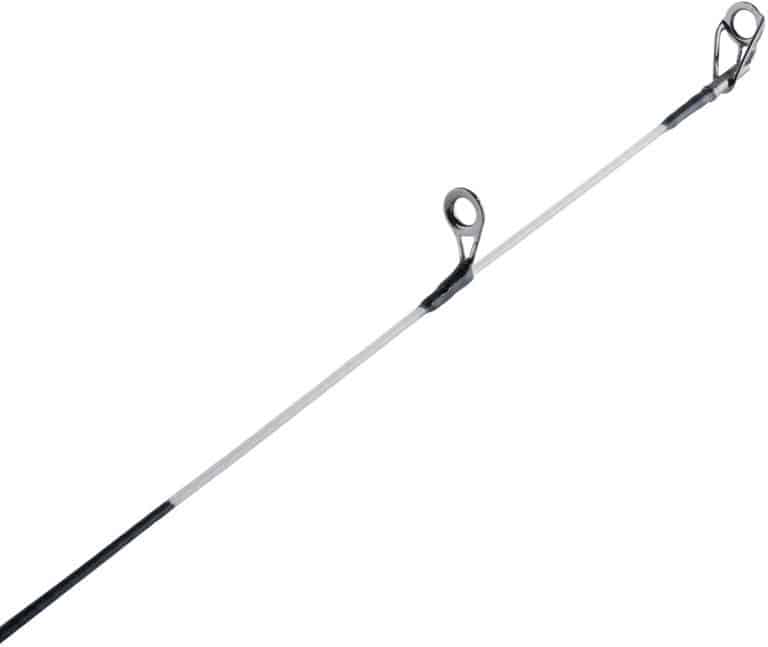
A first-timer doesn’t need a sled loaded with electronics. Here’s what I’d take: a short light rod, 2 to 4 pound test line, small jigs, wax worms, a little foam bobber, an auger or a friend who owns one, a scoop to clear the hole, needle nose pliers, clippers, an old towel and a bucket to sit on.
Small tackle is the rule. For panfish that means jigs of 1/64 ounce or smaller, and bright colors like chartreuse, pink or orange do fine. Keep your bait from freezing, too. Wax worms ride in an inside pocket (they’re no use frozen), and minnows go in an insulated bucket with a dipper so your hands stay dry.
You’ll need a fishing license for the state you’re standing in, same as open water. A cheap ice rod combo will do fine for a first season, so put what you save toward a good ice auger. Don’t go bargain basement on the scoop, though. The thin plastic ones crack in the cold, and then you’re clearing slush with your glove.
Drilling Your First Hole

I’d start with a hand auger, which is plenty for a first season. Holes usually run 6 to 10 inches across, and a 6-inch hand auger is the easy one to learn on since it takes the least work to turn. Those blades are sharp, so keep the guard on while you’re walking around with it. A power auger’s faster, but it’s heavy, loud and one more thing to keep running in the cold. Turns out a sharp hand auger gets through a morning’s worth of holes just fine, and the cranking warms you up.
Hold the auger straight up and down, lean your weight on it and turn steady. When it breaks through, water comes up fast, so lift the auger out and clear the slush with your scoop. If you’re drilling a few, keep them at least 25 feet apart. And don’t drill right next to somebody else’s hole without asking. They’ll let you know how they feel about it.
Where to Put Your Bait

Panfish stay near the bottom in winter, so start there. Clip a small weight on your line, let it drop until it goes slack, then lift it 6 to 12 inches and set your bobber at the surface. Crappies tend to ride higher, so if nothing’s biting, try a little closer to the top.
Put a wax worm on a small teardrop jig or a plain little hook, lower it down and give it a small jiggle now and then. Keep your eyes on the bobber. When it goes under, set the hook and bring the line in steady and tight. Back the hook out with the pliers and decide quickly whether that fish is staying. Limits and seasons change from lake to lake, so read your state’s rules before you keep anything. If it’s going back, get it into the hole fast, since a wet fish and a freezing wind don’t mix.
Dusk can be the best bite of the day for perch and crappies, so don’t pack up early if you can still see the shore. Bring a lantern or a good flashlight with spare batteries, because walking off a lake in the dark without one is how a good day goes bad. Fish tend to school up in winter, so if your buddy’s catching them and you aren’t, move closer.
Staying Warm Without Gassing Yourself

Dress in layers and bring more than you think you’ll need. The first time I stood still on a frozen lake and the wind picked up, I learned no forecast tells you how cold that gets. Hand warmers are cheap, and I’d tuck a dry pair of gloves in your coat, because they’re worth every penny.
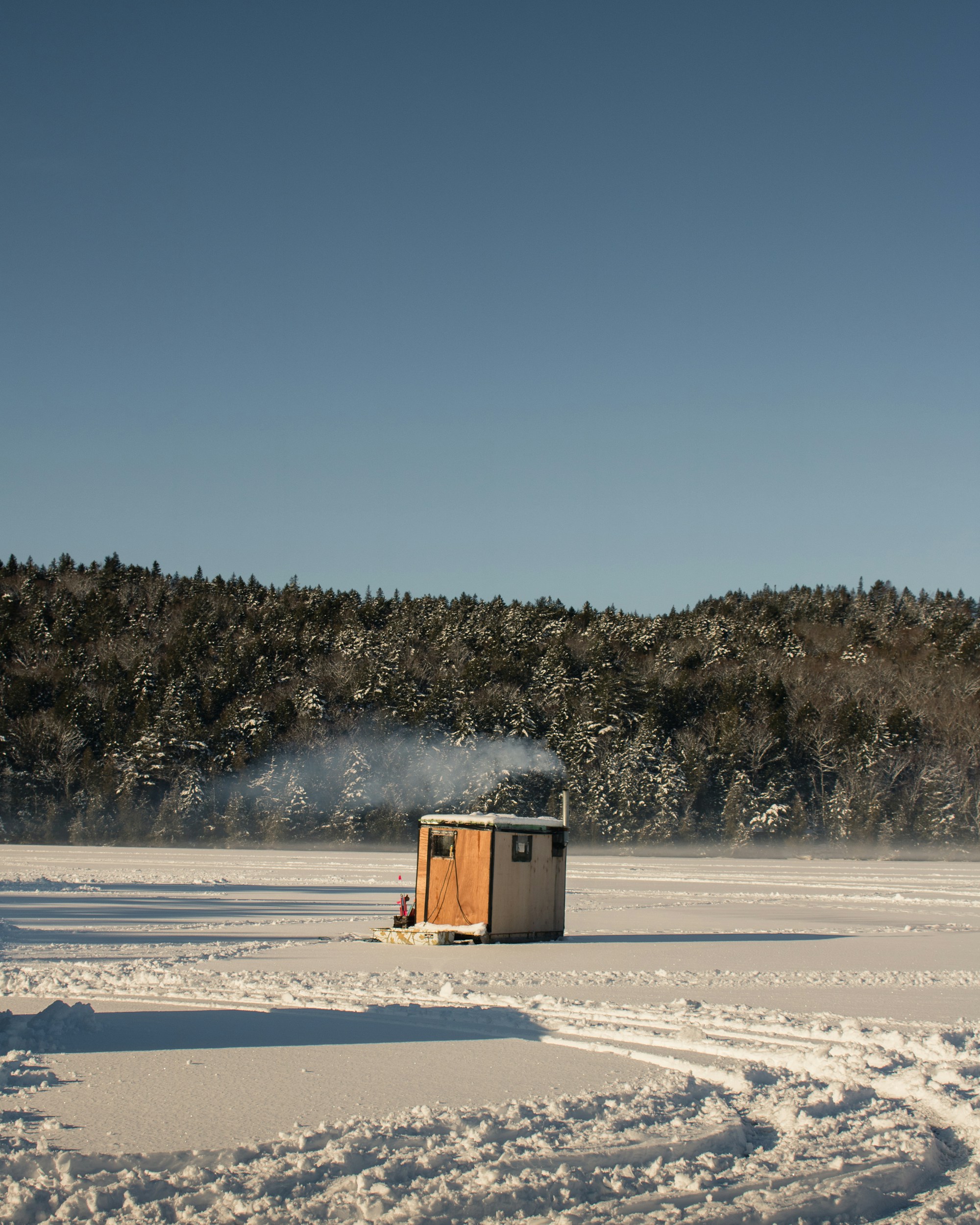
A pop-up shelter makes a long day bearable, but be careful with propane. Propane heaters put out carbon monoxide, which has no smell or taste and can build up without you noticing. Every shelter should have a carbon monoxide detector, and you’ve got to keep the vents clear. If you get a headache, nausea or dizziness in there, get out to fresh air right away. It can feel just like coming down with the flu.
When to Stay Home, or Walk Off

The first and last weeks of the season are the dangerous ends of it. Once warm weather has started softening the ice, the thickness chart doesn’t apply anymore. Stay away from anywhere you can see moving water, and if the ice looks wet, cracked or soft under your boots, back up the way you came.
Stop at the bait shop before you head out. Folks there usually know where the current runs and which bays have been bad this year, and they’ll tell you for the price of a tube of wax worms. It also keeps you from learning a new lake the hard way. For a first trip I’d reschedule if the wind chill’s below zero, too. Honestly, nobody learns to jig with numb hands, and being that cold makes you careless on the walk back.
Your first day out doesn’t have to be a long one. Pick a popular lake in the middle of winter, go with somebody who’s done it, and call it good once you’ve caught a few or your feet quit talking to you. I’d rather lose a morning of fishing than wait for open water with a story I don’t want to tell.