For about ten years my tackle box was one big hip-roof box with cantilever trays that opened like a staircase. I bought it at a garage sale for a few dollars. Everything I owned went into it, and it rode along to every lake I fished.
Then I started fishing out of a kayak.
There’s no room in a kayak for a box like that. The trays swing out over your lap. One morning on a reservoir the wind picked up and swung the boat broadside. The open tray tipped. A whole row of jigheads went over the side, and I spent the rest of the day fishing whatever was already tied on.
That was the day I started over. The system I’ve used since is built on small clear boxes that each do one job. It adds about ten minutes at the ramp after every trip, and it has kept my hooks sharp and my soft plastics from fusing into a lump. It works the same in a jon boat or a canoe. It works from the bank too.
Dump the whole box out first
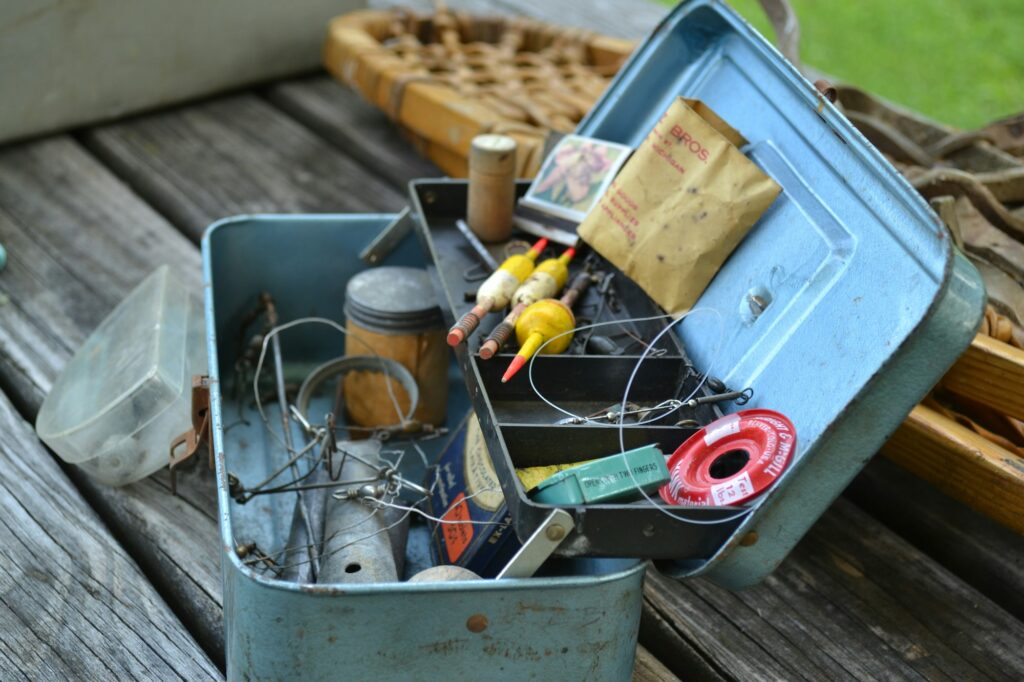
Organizing a tackle box starts with emptying it. Every lure, every hook packet, every loose sinker rattling around the bottom goes onto an old towel on the kitchen table.
All of it.
The things hiding in the bottom tray are usually the things that have been quietly rusting. Then sort everything into four piles:
- Terminal tackle: hooks, sinkers, swivels, jigheads, split rings, snaps
- Hard baits: crankbaits, jerkbaits, topwaters, spinners, spoons
- Soft plastics: worms, craws, swimbaits, grubs, in their original bags if you still have them
- Tools and spares: pliers, line clippers, a spool of leader, a hook file
A fifth pile shows up whether you plan it or not. That’s the junk. Hooks with the points rolled over. A crankbait with a cracked bill. A pack of worms that turned into one rubbery brick. It all goes in the trash.
Be honest about the rest, too. If a lure hasn’t been tied on in two seasons and you have no plan for it, it can live in a shoebox in the garage. The first time I did this, close to a third of what I’d been hauling around went into the trash or the shoebox, and the box I kept got a lot easier to read at a glance.
Why I quit the one big box
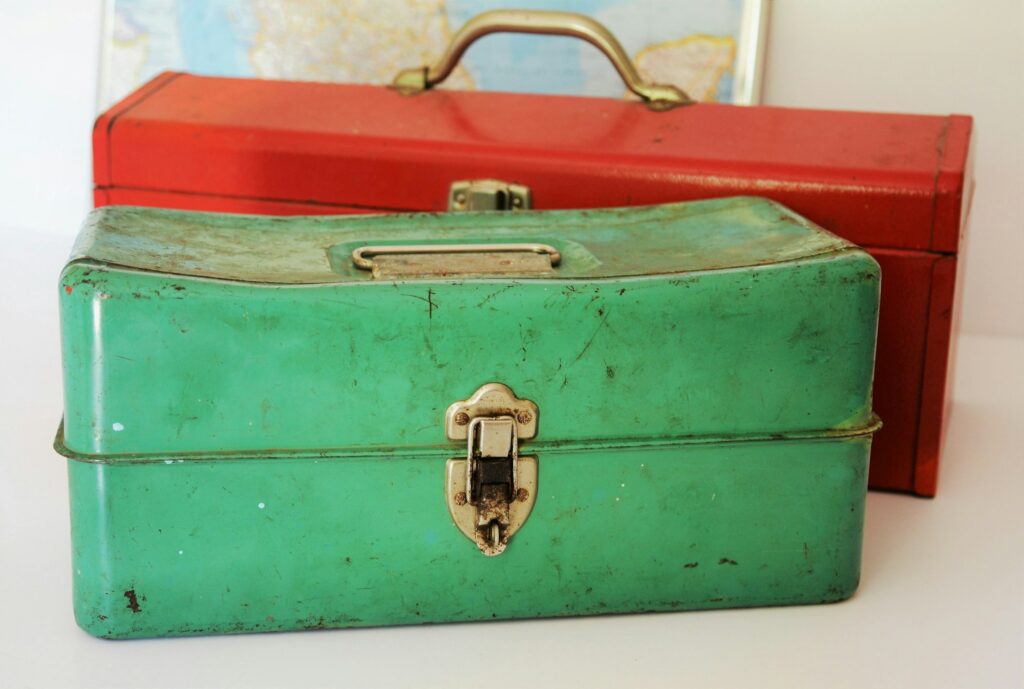
A big box feels organized because everything has a slot. The problem shows up on the water. Switching from a crankbait to a jig means opening the whole thing, and in a kayak the whole thing ends up across your lap and down around your feet.
Small boxes fix that. I carry a handful of clear utility boxes, each with one job, and I open only the one I need. On a slow river for smallmouth I take two. For a full day on a big lake I take four. The rest stay home on a shelf.
Weight matters too. A loaded hip-roof box sitting off to one side behind the seat changes how a kayak trims, and you feel it in the tracking. Spread across a crate, four flat boxes ride a lot better than one brick. The hinge on my old box was what broke first, by the way. Two seasons of bouncing around in the bed of a truck did it.
If you’re shopping before you start, we tested five tackle boxes side by side. I’d still pick by size first, because the size decides where the box rides.
Thin boxes for terminal tackle
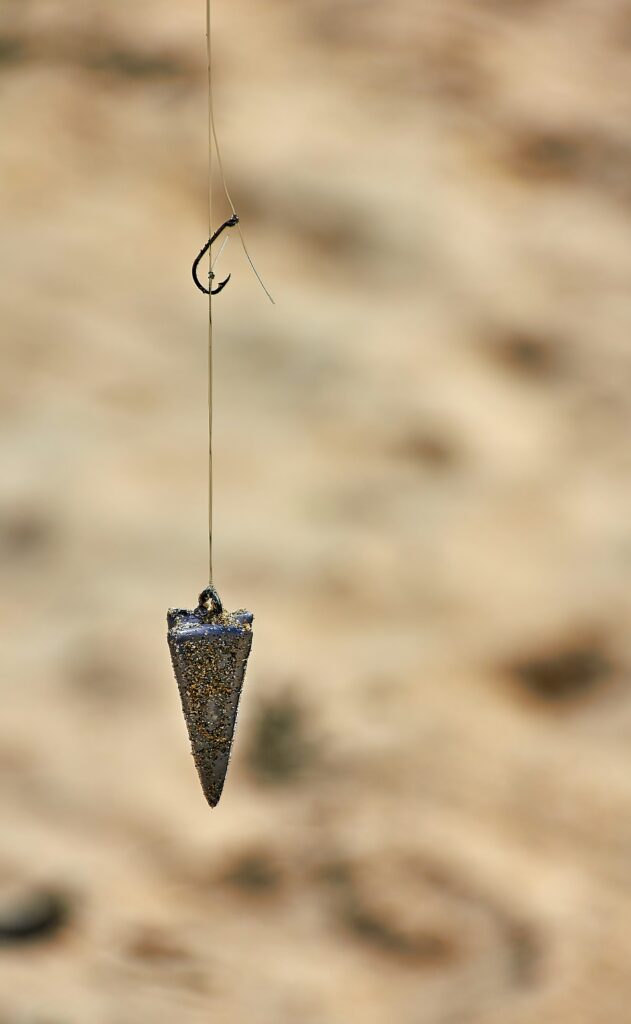
Terminal tackle is small and easy to lose, so it goes in the shallowest boxes I own.
The one I’ve settled on is Plano’s ProLatch 3700 Thin StowAway. Plano lists it at 14 by 9.13 inches, and only 1.38 inches tall. The dividers are adjustable, so you can build anywhere from 5 to 34 compartments or pull them out and use the box open.
That shallow height is the whole point. A hook has no room to stand up and grab the one next to it. If the box tips over in the boat, things mostly stay in their own rows.
Here is how I set mine up. Small cells across the top hold hooks by size, smallest on the left. The middle row holds jigheads by weight. A couple of wide cells at the bottom take the sinkers and swivels, which are heavy and can sit together without hurting each other. I write each hook size on the lid right over its cell with a paint pen, because my eyes aren’t what they were and the little printed packets are long gone.
One more habit that helps is a “today” box. The night before a trip I fill one thin box with only what I expect to use, pulled from the stock boxes at home. It’s less to dig through out there, and less to drop.
Deep boxes for anything with treble hooks
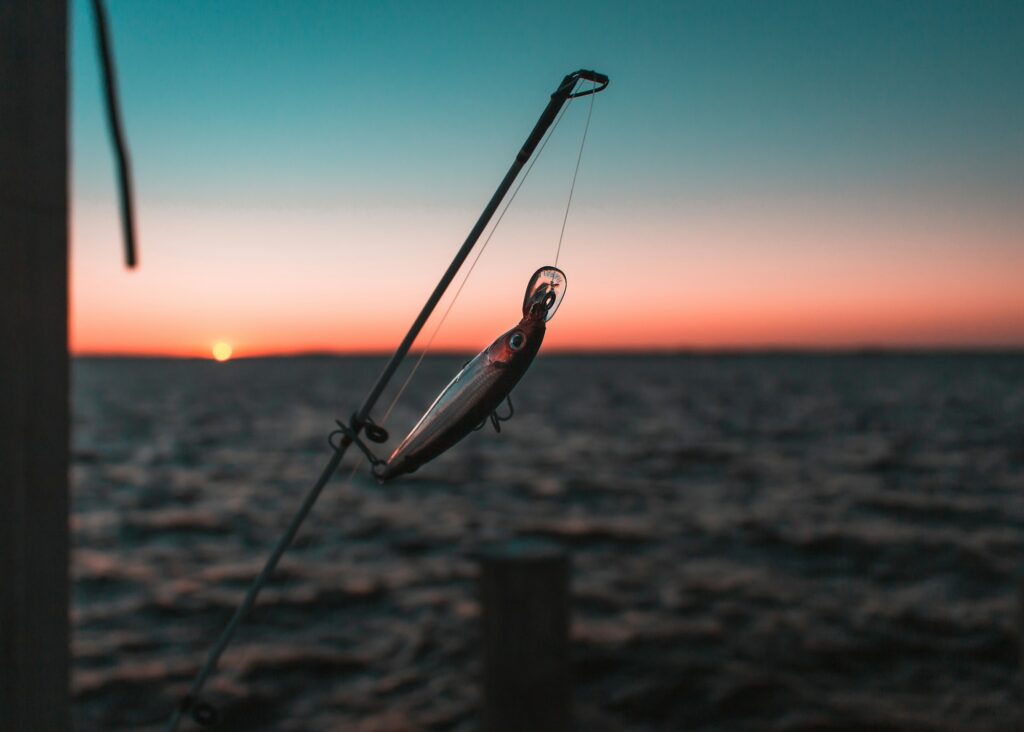
Hard baits need height. A crankbait carrying two treble hooks won’t lie flat in a thin box, and if you push it in anyway, those hooks grab whatever is in the next cell. Pull one lure out and two more come with it.
For these I use the deep version of the same box, the ProLatch 3700 Deep Bulk StowAway. Plano gives it the same 14 by 9.13 inch footprint at 2.8 inches tall, with room for 5 to 21 compartments. Because the two boxes share a footprint, they stack neatly and slide into the same slots in a bag or a crate.
Give every treble-hook lure its own cell. When I run short of cells, I put lures in tail first so the hooks all face the same way and don’t reach for their neighbor. Topwaters get one box. Crankbaits and jerkbaits share another. Spinners and spoons lie flatter, so they go in the shallow rows.
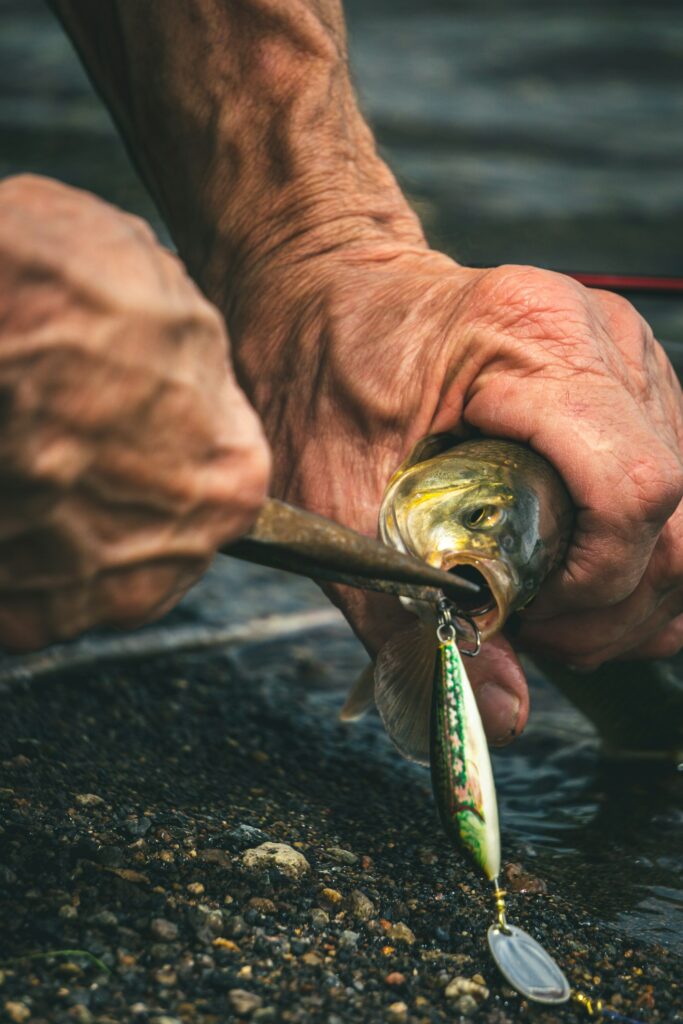
Keep the pliers on you, not in the box. When a fish has a spinner’s hook buried in its lip, the last thing you want is to dig through a box of loose hooks in your lap to find them. Mine hang from a coiled lanyard clipped to my PFD, and they’ve stayed there for years.
Soft plastics stay in their own bags
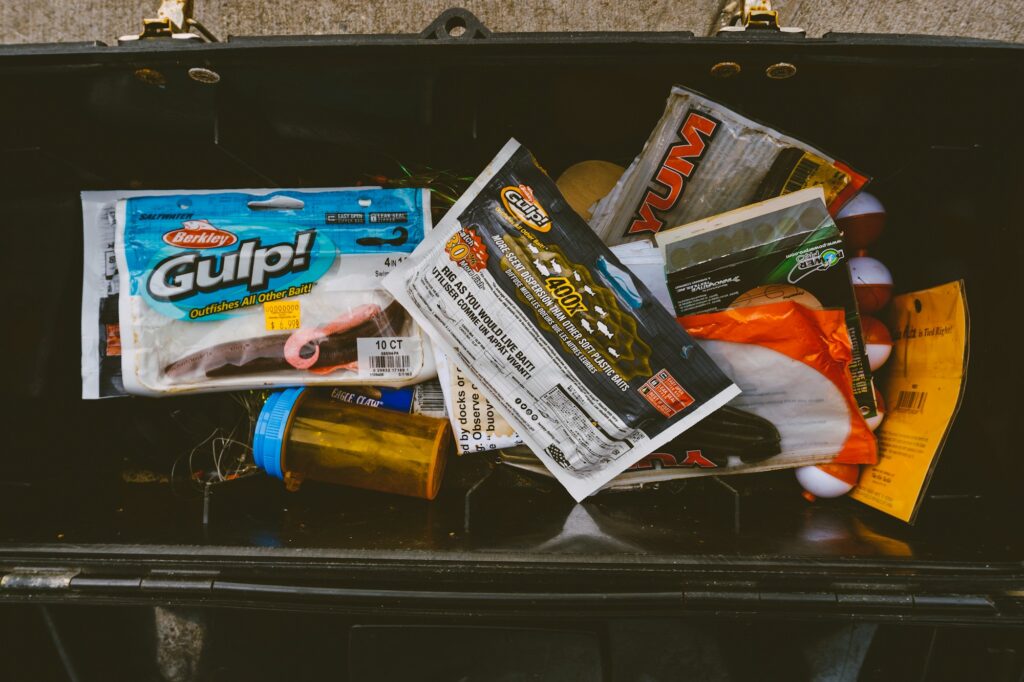
This is the rule most people break, and I broke it for years. Soft plastics from different makers don’t always get along.
Brian Cope put it plainly in Carolina Sportsman. Tackle-box companies fixed the old problem of worms melting into trays a long time ago, with “worm-proof” trays. These days the gooey mess usually comes from mixing materials, and he names Z-Man and Vudu as makers that warn anglers not to mix their lures with other brands.
Z-Man’s ElaZtech is the one I hear about most. Gord Pyzer, writing in Outdoor Canada in November 2022, said to keep ElaZtech baits in their original packages and never mix them with other soft plastics, or you end up with “an unrecognizable ball of melted material.”
So my soft plastics stay in the bags they came in. I file the bags upright in a soft binder, one brand per section, the way you’d file folders in a drawer. Z-Man sells its own take on the idea, the Bait LockerZ, a bag with adjustable dividers that the company says holds over 50 packs of ElaZtech baits filed upright. A cheap zippered binder does the same job for most other brands.
Used baits go back into their own bag before I leave the water, not loose into a tray. That’s the part that takes discipline. It’s also the part that saves the most money.
A seasonal note, since it’s late October as I write this. In that same Outdoor Canada piece, Z-Man’s head of media relations, Cory Schmidt, says a day of cold on the ice is fine, but you should avoid storing ElaZtech where the temperature stays below about 20°F (-10°C) for long stretches. The oils slowly leach out and the baits shrink. If your boat spends the winter in an unheated garage, the soft plastics should spend it in the house.
Rust is the reason for the routine
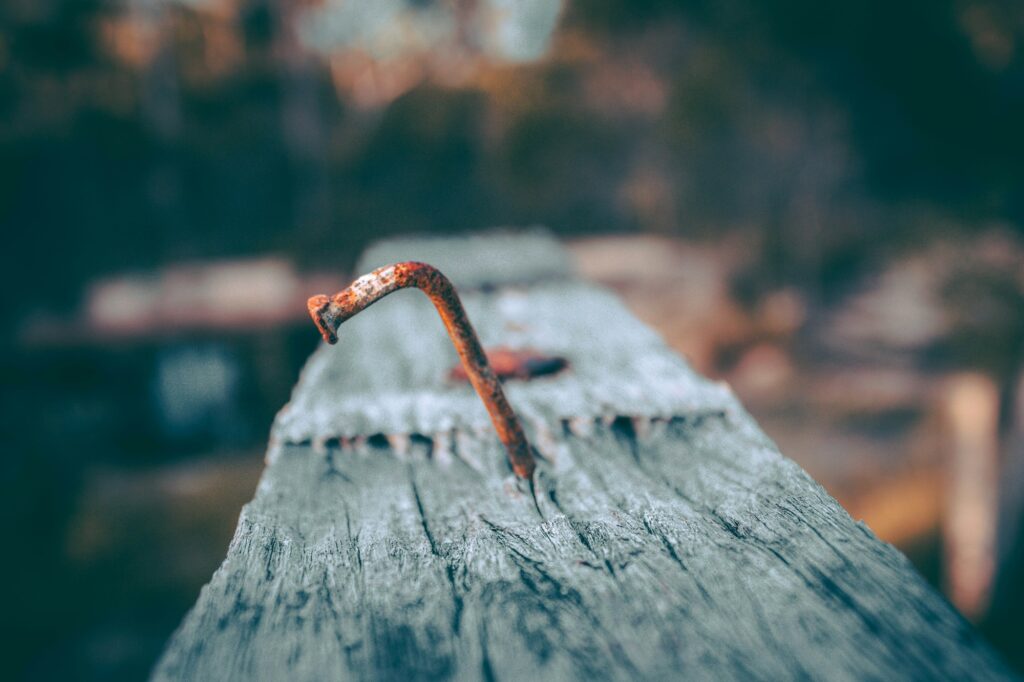
That’s a nail, not a hook, but it’s the picture I keep in my head. It sat in a dock board through who knows how many wet summers. A hook is far thinner wire. I’ve latched a box with a little water in it and found orange spots on the hooks two weeks later. Once a hook point rusts I don’t trust it to stick a fish, so it goes in the trash.
We looked at how long a lost hook lasts in the water in our post on whether fish hooks dissolve. In your tackle box you want the opposite result, and the fix is mostly about keeping water out.
Plano has a box for this too. Bassmaster’s David A. Brown reviewed Plano’s Rustrictor StowAway boxes in July 2019. They’re made with a vapor corrosion inhibitor from Armor Protective Packaging built into the plastic itself. Once the lid is closed, the box fills its inside space with the inhibitor, and the vapor forms a layer on metal only a few molecules thick. Plano’s claim, as Bassmaster reported it, is that this blocks rust five times longer than a standard box. At the time of that review the line came in seven sizes, from the 3500 up to the 3700.
I use a couple. Even so, the review itself says it’s still a good idea to rinse your tackle, and I agree. No box saves a lure that goes in soaking wet.
In a jon boat the worst spot is the floor back by the transom, where every drop of rain and every dripping net ends up. A box left there all day is sitting in a puddle. Keep boxes up on a seat or in a bag with a hard bottom.
Packing the boxes in a kayak or a small boat
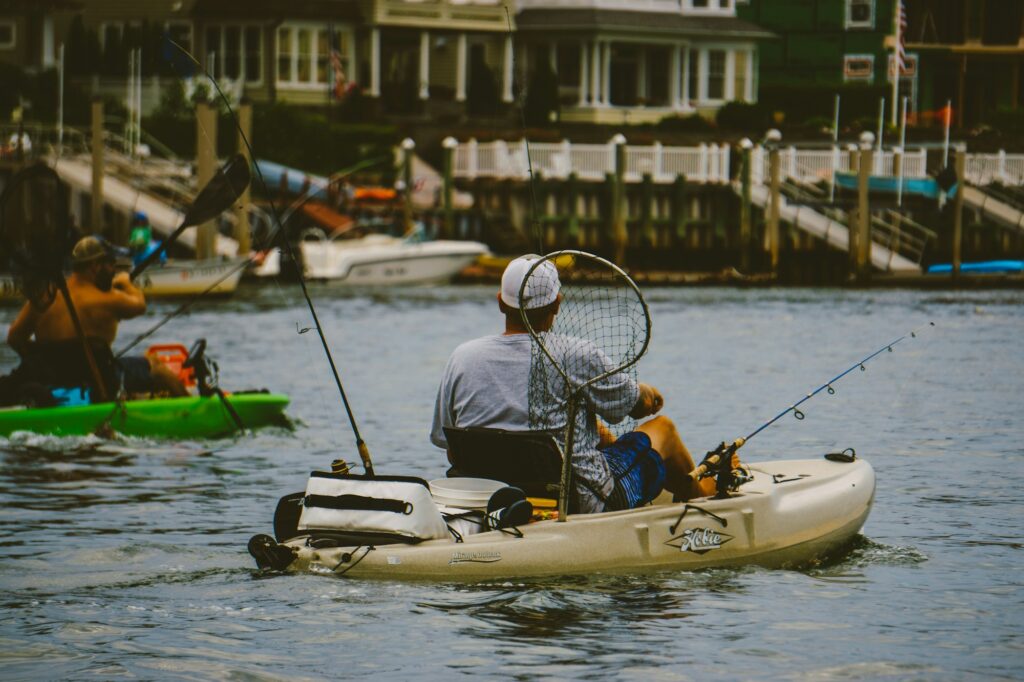
In a kayak, most of my boxes ride in a crate behind the seat, stood on edge like files so I can pull one without unloading the rest. If you’re still picking a crate, we tested five kayak fishing crates, and the size of the slots is the first thing I’d look at.
The box I’m fishing out of right now stays within reach, between my knees or in a small bag on the deck, and it’s clipped to the boat. Everything else stays latched. Plano says its ProLatch closures are there to keep the lid from opening by accident, and in a kayak that matters more than anywhere. A box that pops open over the water is gone in a second.
Don’t stack the crate so tall that it changes how the boat sits. Heavy gear goes low and centered, light gear up high. When the kayak is loaded right it tracks straight and doesn’t fight you in a crosswind.
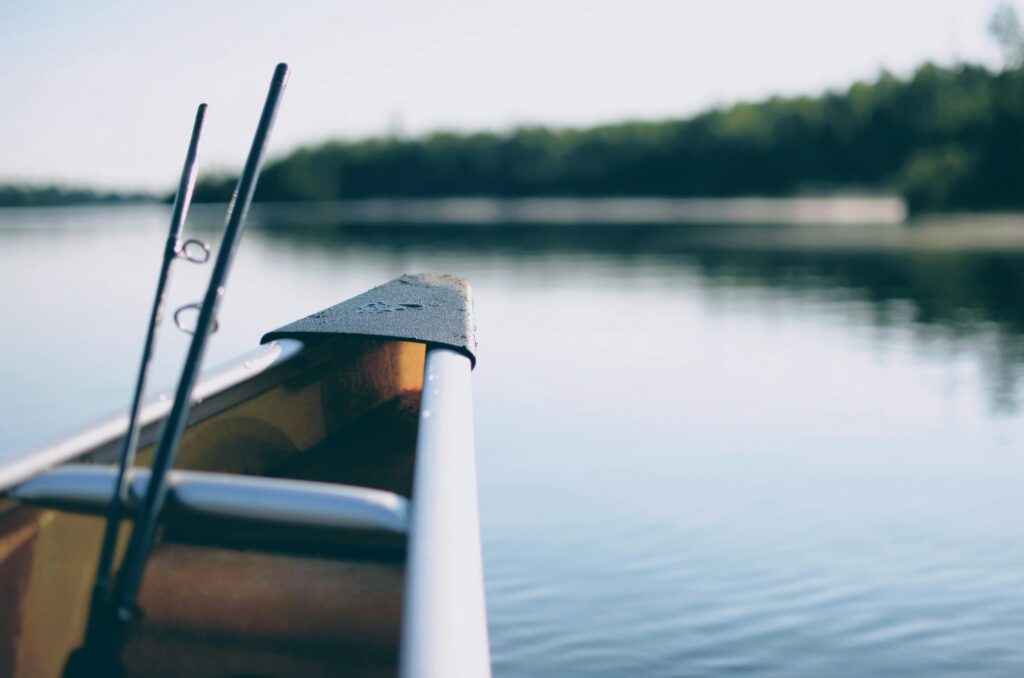
A canoe or a small jon boat gives you more room, but the same ideas hold. Rods lean in the bow, out of the way. Boxes ride in one soft bag that holds the 3700 size, up off the floor. When it’s time to run to a new spot, the bag zips shut and nothing slides around when the motor’s thrust kicks in.
That’s the whole system. Sort it on a towel. Give each small box one job. Keep the plastics in their own bags, then spend ten minutes at the ramp drying things out before you drive home.
It took me a row of jigheads at the bottom of a reservoir to learn it. Now you don’t have to.